Power Transmission/Distribution and
Technical Feasibility Studies
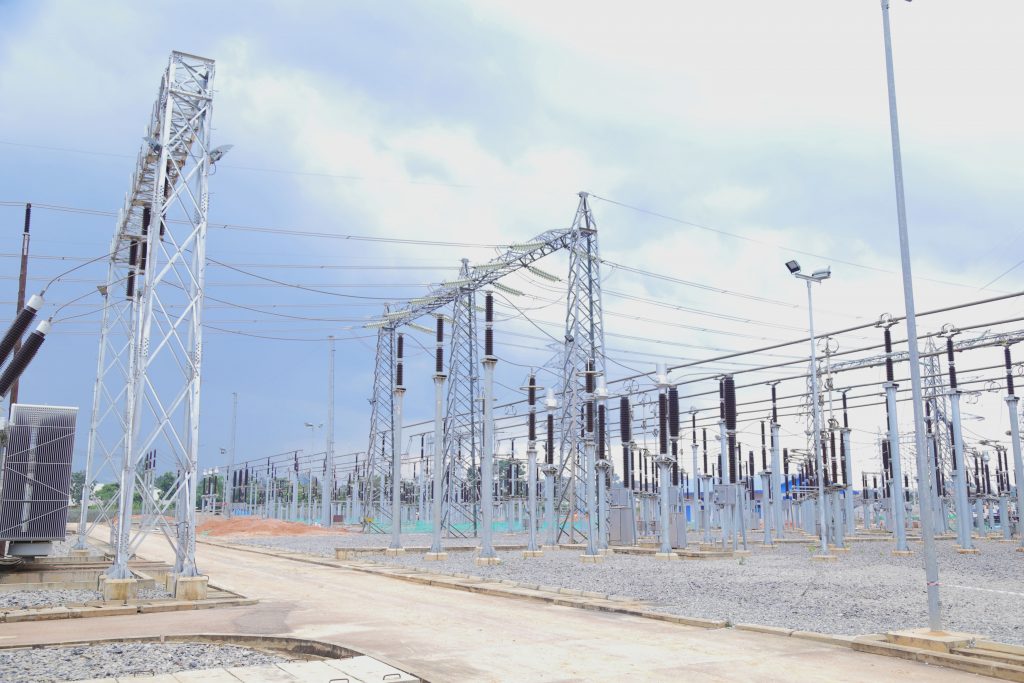
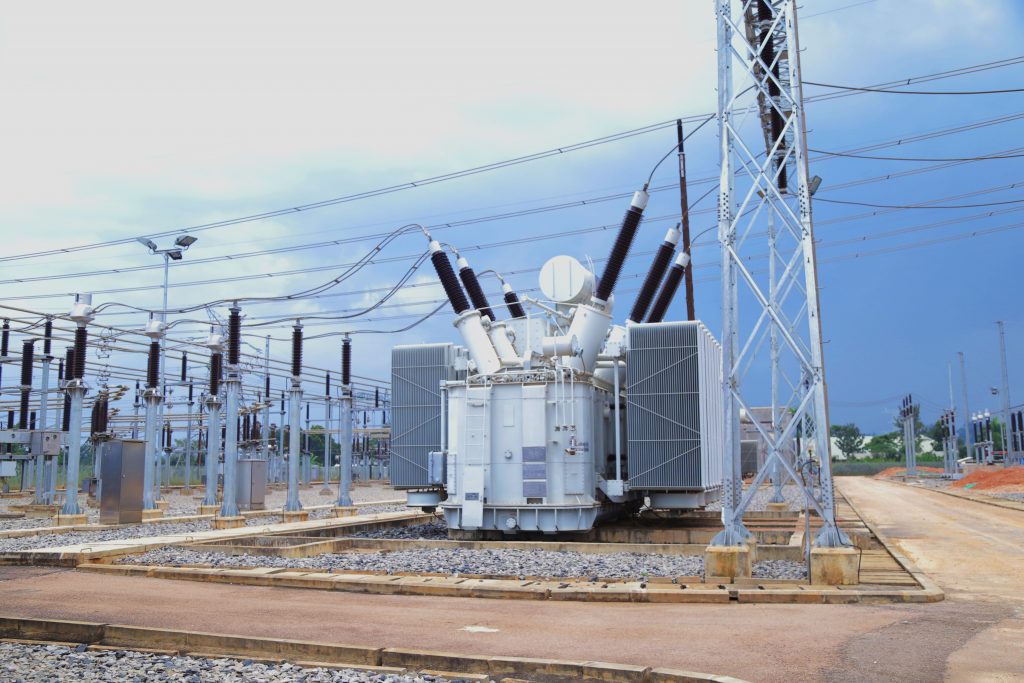
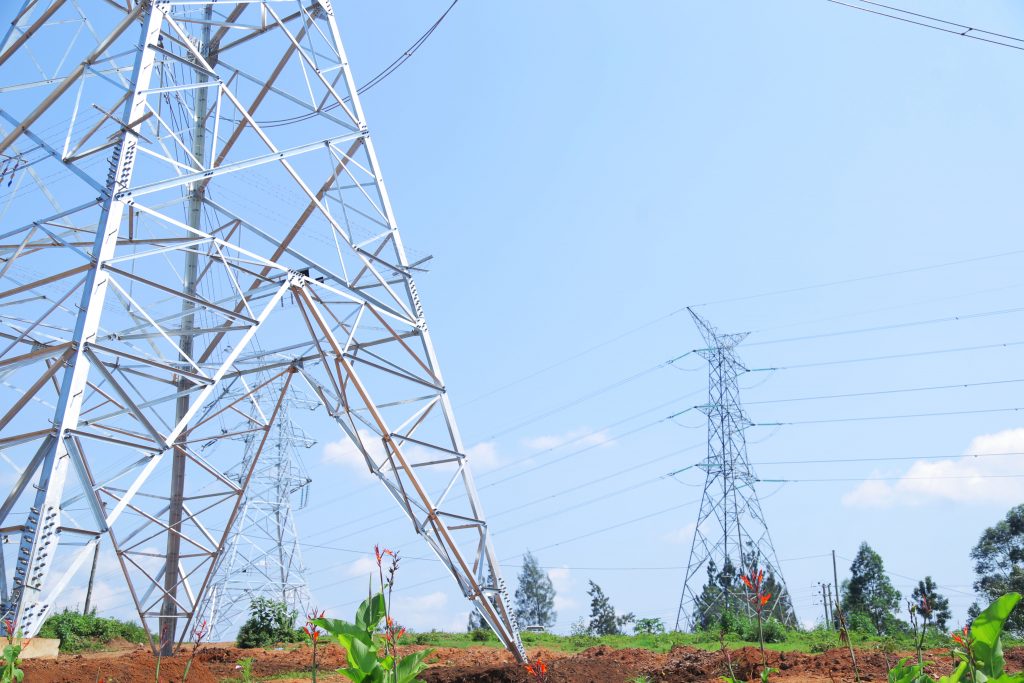
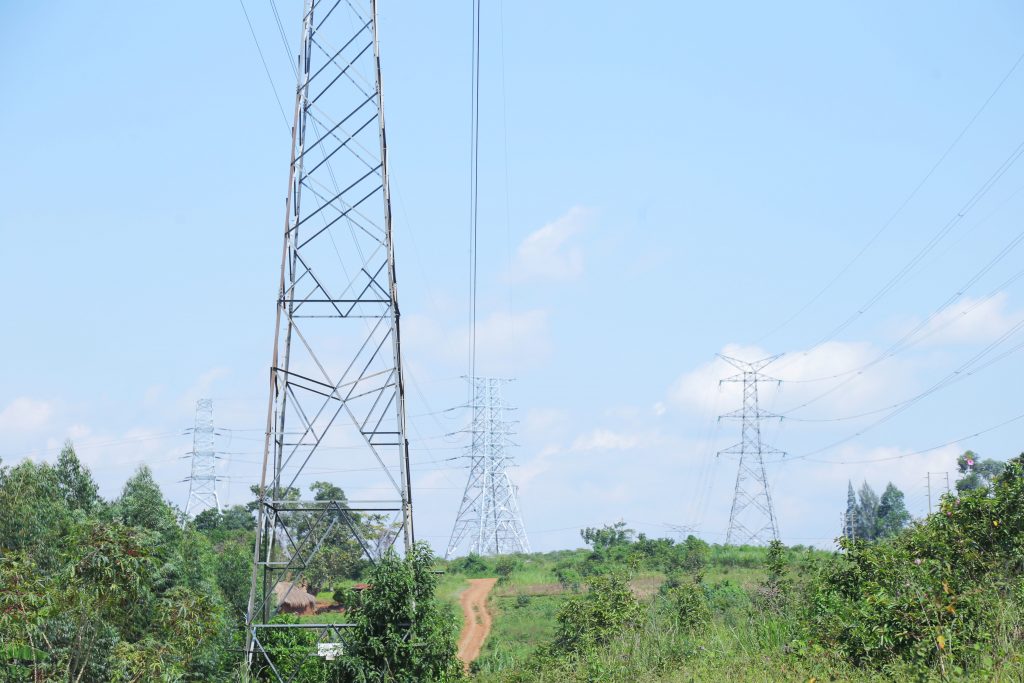
Investing in power transmission and distribution requires technical feasibility analysis to be done if the project is to be successful. Tower spotting survey and design, load forecasting, load flow analysis, contingency planning, short circuit analysis and optimization of technical losses as well as operations and maintenance costs are important considerations. Furthermore, voltage level selection, conductor size, protection, control and communication must be considered during technical feasibility if system stability is to be achieved. Technical feasibility studies in transmission/distribution line design and development require a holistic approach. Besides technical issues, underlying system factors such as topography, hydrology, flora and fauna have to be considered during line profiling (routing and substation layout). Topographic and hydro-logical conditions such as large rivers, wetlands, flooding and geotechnical conditions present technical constraints in line routing and design. Similarly, these factors influence choice between steel tower grids and concrete grids or wooden pole grids.
NEK has a wide experience in technical considerations such as transmission line design and configuration, standard requirements (Uganda, IEC, etc), electrical network analysis, switch-gear, network controls, load dispatch, network calculations and network communication/protection for transmission line projects ranging from 33 through 132 to 220 KVs. Our Consultants immense understanding of the local topographical, hydro-logical and geotechnical barriers are an added advantage which any Client would want to exploit.